
Washoe County has now confirmed at least 59 homes and other buildings destroyed across three separate wildfires since Aug. 8, and 48 of them, more than four in five, were burned in the smallest of the three fires by acreage.
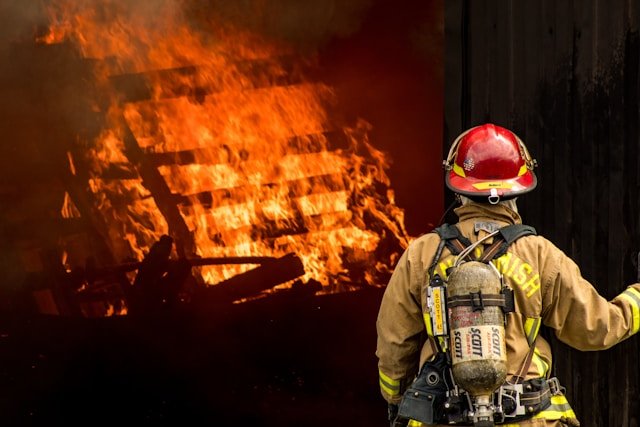
The Hawk Fire reached 85 percent containment Tuesday evening at 15,067 acres, according to Truckee Meadows Fire Protection District figures reported by This Is Reno and independently confirmed by KUNR. Damage assessment teams have now confirmed 47 homes and one commercial building destroyed, with eight more homes seriously damaged.
That is up from the 32 homes confirmed Monday, and it makes Hawk the most destructive of the three wildfires Washoe County has fought this month, despite burning less than a fifth as much land as the largest one.
The Math Nobody Had Run Yet
No outlet found in research had placed all three of this month’s Washoe County wildfires side by side. Doing so shows a wide gap between how much land each fire burned and how much it destroyed.
The Bug Fire’s Nevada-only footprint covers 80,916 acres, 59 percent of the 136,674 acres the three fires have burned combined, independently calculated. Yet the Bug Fire is directly responsible for only nine confirmed home losses, meaning it destroyed roughly one home for every 8,990 acres it burned, both figures independently calculated.
The Hawk Fire’s 15,067 acres amount to about 11 percent of that combined total, but its 48 destroyed structures work out to roughly one for every 314 acres, a destruction rate nearly 29 times higher than the Bug Fire’s, independently calculated from each fire’s own reported figures.
The difference comes down to where each fire burned. The Bug Fire spread mostly across remote high desert north of Gerlach, while the Hawk Fire tore through subdivisions on the west side of U.S. 395 in northwest Reno, including homes on Peavine Mountain and Peppermint Drive, both dense residential corridors.
| Fire | Started | Nevada acreage | Containment | Structures destroyed |
|---|---|---|---|---|
| Bug Fire | Aug. 8 | 80,916 | 97% (Aug. 23) | 9 homes (confirmed Aug. 13) |
| Stallion Fire | Aug. 10 | 40,691 | 98% (Aug. 22) | Not confirmed individually; 11 combined with Bug Fire |
| Hawk Fire | Aug. 22 | 15,067 | 85% (Aug. 25, 5 p.m.) | 47 homes, 1 commercial building (Aug. 25) |
The Stallion Fire, at 40,691 acres and 98 percent contained, has its own destroyed-structure count that could not be confirmed as a standalone figure in research. A Carson Now report on the state’s strained firefighting resources, published Monday, put the Bug and Stallion fires’ combined toll at 11 structures.
Subtracting the Bug Fire’s confirmed nine leaves two structures attributable to the Stallion Fire, a figure arrived at by subtraction rather than stated directly in any source found, and disclosed here rather than presented as independently confirmed.
What’s Reopened, and What Isn’t
- All evacuation areas east of U.S. 395 reopened Tuesday afternoon, allowing an estimated 9,300 residents to return home, per This Is Reno’s report on Tuesday’s briefing.
- About 5,000 residents remain under evacuation orders, concentrated west of U.S. 395 near the fire’s active edge.
- More than 100 NV Energy utility poles were damaged in the burn area; about 4,500 electric customers and 250 natural gas customers remained without service as of Tuesday afternoon.
- Most Washoe County School District campuses reopened Wednesday, but 13 schools stayed closed, including North Valleys High School, McQueen High School and Stead Elementary School, all inside or near the fire’s footprint.
The Season’s Toll So Far
The 59 combined structure losses come with one death. Washoe County Sheriff Darin Balaam confirmed one civilian fatality connected to the Bug and Stallion fires on Aug. 17, without releasing further details on the circumstances.
No deaths have been reported in connection with the Hawk Fire as of Tuesday’s damage assessment. Six people, three civilians and three first responders, were reported injured in the Hawk Fire at Sunday’s press conference; no updated injury count was found in research as of this writing.
Nevada’s state forester, Ryan Shane, described the overlap of the three fires as unusual for the state. “We have a lot of geography burning up all at the same time that typically doesn’t,” he told Carson Now. The Nevada Division of Forestry’s base budget for firefighting is about $4.5 million a year, while an average active fire year costs the state closer to $24 million, according to the same report.
For Peavine Mountain resident Rick Arrate, the totals on a spreadsheet are also a specific address. Arrate, who had lived in the area for 68 years, evacuated with only his dogs as his home burned. “I’m going to rebuild,” he told KOLO in a report published Wednesday. “I’m going to have 20 or 30 more years of my life on Peavine Mountain.”
The Hawk Fire remains an active, developing incident. Figures in this article reflect official reporting as of Tuesday evening, Aug. 25, 2026, the most recent update available at publication. Structure counts, containment and evacuation zones can change quickly during active damage assessment; readers should check Washoe County’s emergency management site for real-time updates.